
Identify the Buchanan County Property Owner
Start an address lookup in the Commissioner's View Property Cards application. Switch it to street-name mode. Type the full street name, scan the selection list, and open the parcel that fits. Have a deed party's name instead? Choose Owner Name and enter the last name. Matching rules are not documented. So weigh each result by location and property detail. Do not assume the top hit is right.
Next, carry the parcel number or owner name into the Circuit Court Clerk's land-record search. The newest recorded deed names the grantee and describes the property. Use the Treasurer's inquiry for tax bills and payments only. It never proves that ownership changed. For present ownership, see Buchanan County current owner records. For the chain behind it, turn to former owner research.
- Search View Property Cards by complete street name or the known owner's last name.
- Select the parcel by its location and retain its identifier and the name shown.
- Search the Circuit Clerk's land records for the latest deed tied to that parcel.
- Compare the deed date, grantor, grantee, and legal description with the assessment card.
- If an entity or estate is named, check the related state filing or probate record.
Where Buchanan County Ownership Appears
Ownership clues sit in different Buchanan County records. The assessment card shows the taxable owner the Commissioner has determined. A recorded deed proves a transfer was filed. An entity filing may name a registered agent. A map helps you pin down the parcel. No single property record answers every part of the question.
| Source | Owner Info It Gives | Access |
|---|---|---|
| Commissioner property card | Tax-owner and assessment context; full live field labels are not inventoried in the help. | Public View Property Cards application |
| Circuit Court Clerk deed | Grantee, grantor, recorded date, and legal description in the instrument. | COVERS if available; Clerk counter and phone |
| Virginia SCC filing | Entity status and registered-agent information where filed; not parcel ownership. | Public SCC Clerk's Information System |
| County GIS and plat | Map context or recorded geometry; county viewer URL is not verified. | GIS Department contact and Clerk's land records |
Owner of record does not mean current occupant. A mailing address may belong to a business, a trustee, or some other delivery point. Public property records cannot tell you who actually lives on the site. A property search finds the filed owner. But it says nothing about private rights or side agreements.
Limits on Who Owns a Buchanan County Property
A card or deed has limits. It can show a public name and a filed interest. It cannot show who occupies the home. It cannot show whether every claim is clear, or whether each transfer reached the deed records. A title search examines the full chain and any encumbrances. Virginia also runs an Address Confidentiality Program for eligible participants. Protected location details should never be worked backward from public records.
Lawful use. Use Buchanan County ownership records for property research, due diligence, or civic questions. Do not use a name or address to stalk, threaten, or harass a person.
Buchanan County's January 1 Owner Record
The Commissioner determines the taxable owner as of January 1. A deed recorded after that date may transfer title while a tax ticket continues to show the prior owner for the current tax year. This is why the owner name on a bill and the grantee on the newest deed can differ without either record describing the same moment.
When asking who owns a Buchanan County property now, note both dates. The card is useful for finding the parcel and starting the search; the most recent deed is the better evidence of a later recorded conveyance. Ask the Commissioner whether the roll has been updated if the two sources conflict.
Buchanan County LLC and Estate Owners
The grantee on a deed may be an LLC. It may also be a trustee, executor, estate, or group of heirs. You can search those names exactly as the deed spells them. An entity filing alone does not prove ownership of a specific parcel. The Virginia SCC Clerk's Information System confirms an entity's status and registered-agent filing. The deed is what ties that entity to the land.
The Commissioner's property-card search includes an owner-name route that asks for a last name. Its public help does not explain every trust, LLC, or estate label you might see. The official page displays the public entry choices, not any individual's property result.
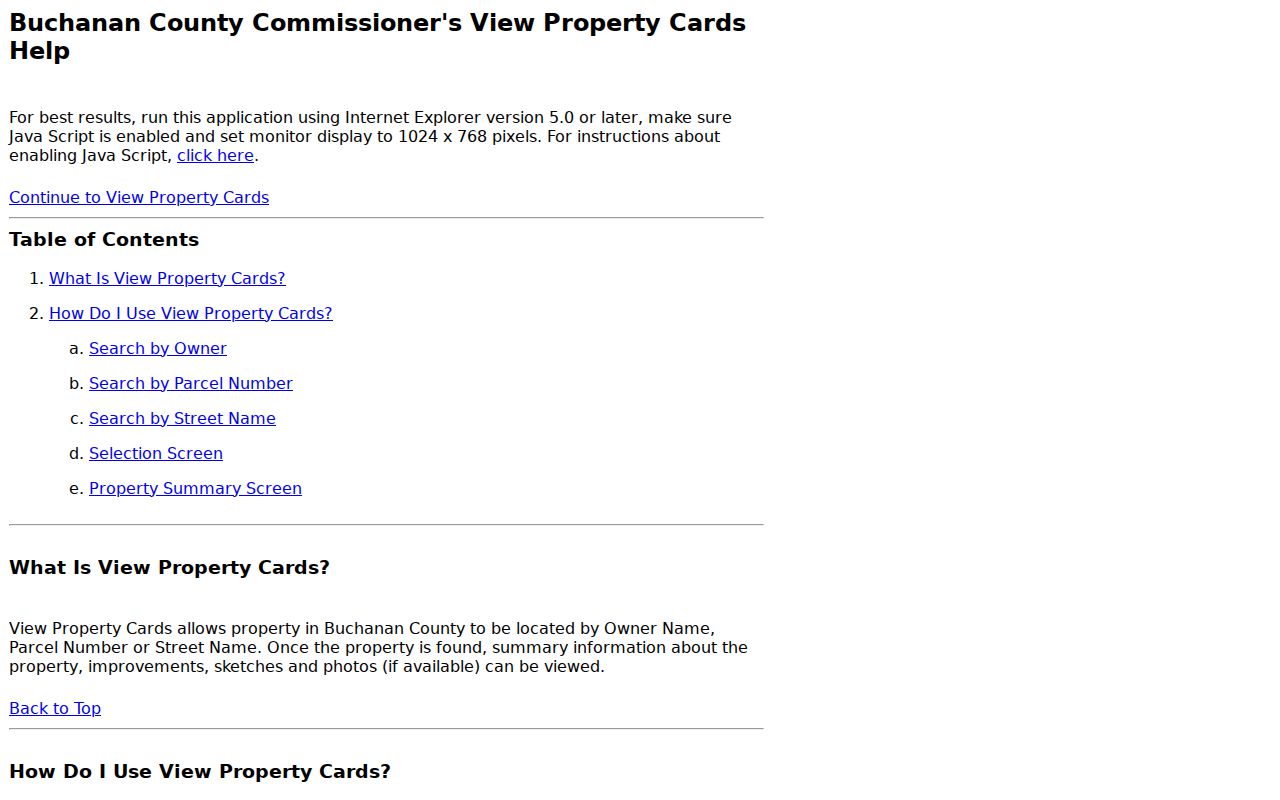
Start with the property card to locate the parcel number, then pull the recorded instrument that names the LLC, estate, or fiduciary.
- Owner of record
- The owner name carried by an official record for its stated purpose and date.
- Grantee
- The party receiving the interest in a deed.
- Trustee or executor
- A person named to act for a trust or estate in the instrument.
- Situs address
- The location of the parcel, distinct from a mailing address.
Virginia SCC entity search can explain an LLC name, while the deed remains the parcel record. The state landing page shows where the public entity lookup begins.
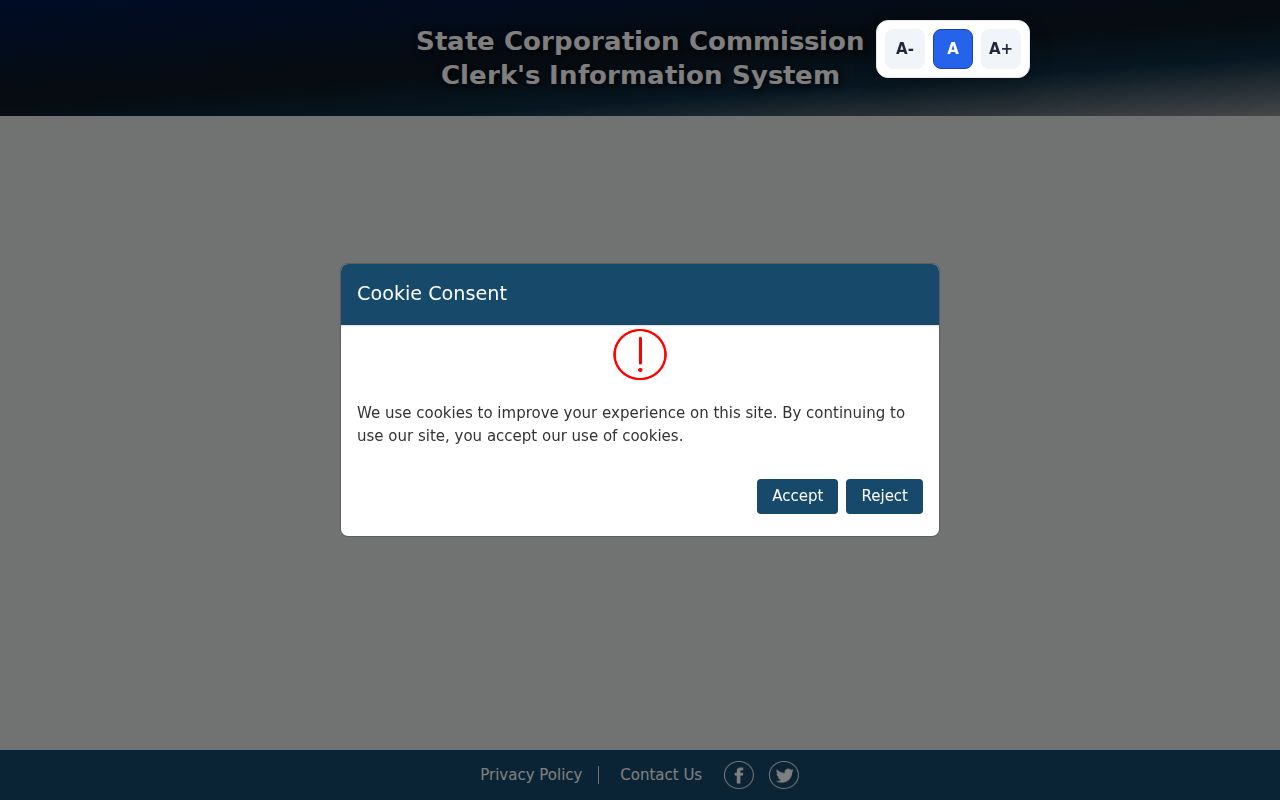
An entity filing clarifies the legal name or registered agent. But the Buchanan County deed is still what connects that entity to a parcel.
Buchanan County Mailing and Situs Clues
Situs is the property's location. A tax-mailing address is where the county sends notices. The two may not match. An owner can route mail through a trustee, a business, or another address entirely. Property-card help does not list the exact live labels on every card. Check what a field actually shows before treating it as a contact address.
Buchanan communities and postal names can also stray from legal jurisdiction. A Grundy mailing address may describe county land outside the incorporated town. A rural parcel can sit close to town lines. For a boundary question, rely on the deed's locality and legal description, the card's location, and a recorded plat.
Confirming Who Owns Buchanan County Land
A parcel card is only the start. To confirm ownership, pull the newest deed from the Circuit Clerk's land records. Then line it up against the tax card. Check the grantee, the filing date, and the legal description. A deed filed after January 1 is a common snag. The tax roll may still show the prior owner of record for that tax year. Estates and trusts add another wrinkle. Probate filings or a fiduciary deed may be needed to trace how title actually passed.
Remote searching runs through Virginia's COVERS system where the locality's records are available. Buchanan's earliest online year is not stated on the public page. The Clerk's counter, phone, or mail request remains the fallback. For very old holdings, the Library of Virginia catalog lists Buchanan County microfilm. It also lists original records. One caution: an empty online result never proves a parcel lacks a recorded owner.
Buchanan County Owner Privacy Boundaries
Some owners have legal protection. Virginia's Address Confidentiality Program, known as Safe at Home, gives qualifying participants a substitute address with mail forwarding. A public property search must never be used to guess where a protected person lives. It must never pull sensitive details out of a filing. The Commissioner likewise withholds confidential information from its online property records.
Scams target record holders too. A suspicious deed-copy offer or a demanding tax letter deserves a second look. Verify it through the Clerk or Treasurer using the phone number listed in the county directory. Ownership records exist to support land research. They do not open private contact details or occupancy information to misuse.
Keep any search tied to the parcel and the public filing. The Commissioner's card search can locate a tax owner. The Clerk's deed index shows the instrument through which a person or entity acquired an interest. Neither source is a people-finder. A name attached to land may belong to a former owner. It may also name an estate, a trustee, or a business entity. The public record simply cannot establish who occupies the property today.
Company names call for extra care. Virginia's SCC entity search can confirm whether a business is registered and reveal its registered agent. But state filings alone do not prove that company owns a specific Buchanan County parcel. A deed tying the entity to the land is still required. A mailing address in an assessment file proves nothing about residence either. Use only the minimum public information needed to settle the land-record question.
Public access has defined limits as well. The Virginia Freedom of Information Act governs many government records. Yet confidential data stays out of the Commissioner's online property records, and specific exemptions can apply. Requesting a record does not create a right to information the law protects. When you need a copy, describe the parcel and the document. Do not ask staff to disclose unrelated personal details.